

Blog / Wellness in the Himalayas: Digital Detox & healing in Bhutan
In visiting a place, or in simply exploring it digitally, the question of what makes it unique arises. An attempt at answering that question is proposed through this brief exploration of a few of Bhutan’s wonders.
In keeping with the theme of wonders, seven are listed (this being far from an exhaustive list). These seven range from the ever popular to the greatly overlooked, with hope that, at the end of this post, all are fairly appreciated.
1.Paro Taktsang (Tiger’s Nest) Monastery
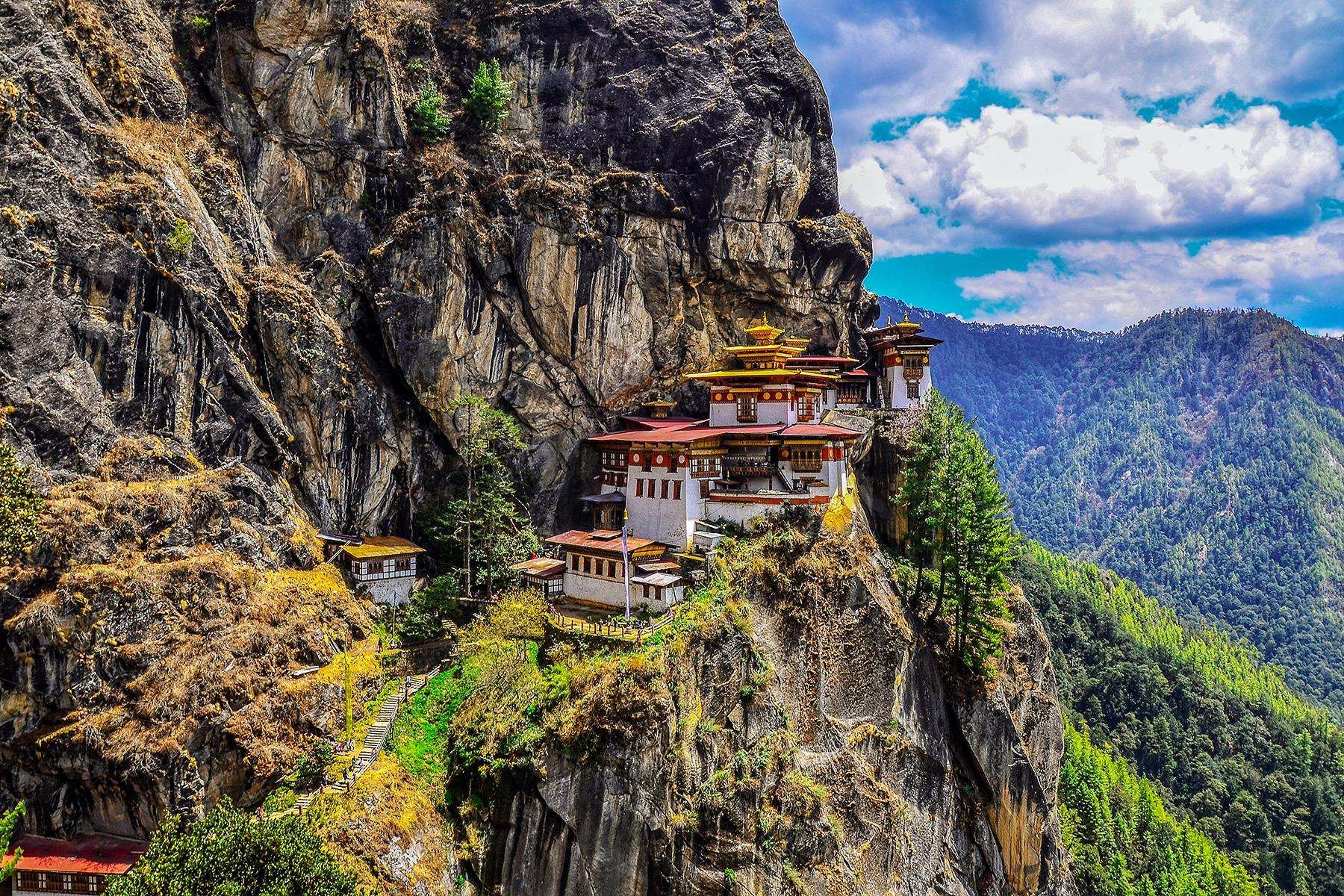
Bhutan’s arguable poster child, the cliffside monastery symbolizes the kingdom’s unique culture and ever present Buddhist core. Taktsang Palphug Monastery sees itself tied to Bhutan across its known history.
Located only a short trip from Paro International Airport (around half an hour), the journey to Taktsang requires a 2-3 hour hike (depending on your fitness level). An ironically popular tip is to arrive earlier in the day to avoid crowds,
however, it does still remain useful in avoiding the heat during warmer seasons. The hike to Taktsang has been made accommodating with sitting areas and viewpoints present along the way, and a cafeteria can be found located about halfway through. A paid option to ride a horse up to the cafeteria is also given for the unwilling (to walk) or curious.
The monastery, as it is today, was first built as a lone temple in Taktsang Palphug (Paro), which was later offered to the country’s founder Zhabdrung Ngawang Namgyel. Zhabdrung Ngawang Namgyel instructed that a monastery be built in honor of Guru Padmasambhava (Guru Rinpoche). Guru Rinpoche famously flew to this site, on his consort turned Tigress (Yeshe Tshogyal), where he then meditated in a cave for three years, three months, three weeks, and three days.
The actual monastery began construction in 1692 and was subject to multiple reconstructions and additions across the ages by Bhutan’s prominent figures. The most recent of which was led by the Fourth Druk Gyalpo, His Majesty Jigme Singye Wangchuck, in 2005 after an unfortunate fire damaged the monastery.
Now famed for its location, Tibetan-Bhutanese architecture, serenity, and wonder, Bhutanese and tourists alike climb to the monastery, forever amazed and willingly blessed.
2. Dochula Pass

Originally serving as a simple 3100m (10,171ft) mountain pass connecting the two Dzongkhags (or districts) of Thimphu and Punakha, Dochula Pass now honors the memory of Bhutan’s fallen soldiers and celebrates His Majesty Jigme Singye Wangchuck, the Fourth King of Bhutan. The pass consists of many elements, though none more notable than the 108 memorial chortens. The monument was built and still stands in memory of Bhutanese soldiers and volunteers who participated in the 2003 battle against Assamese insurgents. The number 108 does not signify a number of people, but is instead brought from Buddhism. It was built and completed in 2004 under supervision of Bhutan’s Queen Mother, Ashi Dorji Wangmo Wangchuck. Also seen are the Druk Wangyal Lhakhang (built in 2008 to celebrate 100 years of monarchy), the 60th Anniversary Park (built in honor of His Majesty Jigme Singye Wangchuk’s 60th birthday), and the meditation caves (built with the park, the caves remain hidden a slight walk away into a forested area). Visitors who undoubtedly find themselves stopping at the pass will also come across an incredible view of the Himalayan Mountain range, and depending on the season, a burst of colorful rhododendrons, or a soft carpet of snow. In accommodation, two cafes exist at the pass, calling visitors to stay and enjoy all that the pass may provide.
3. The Trans Bhutan Trail (TBT)
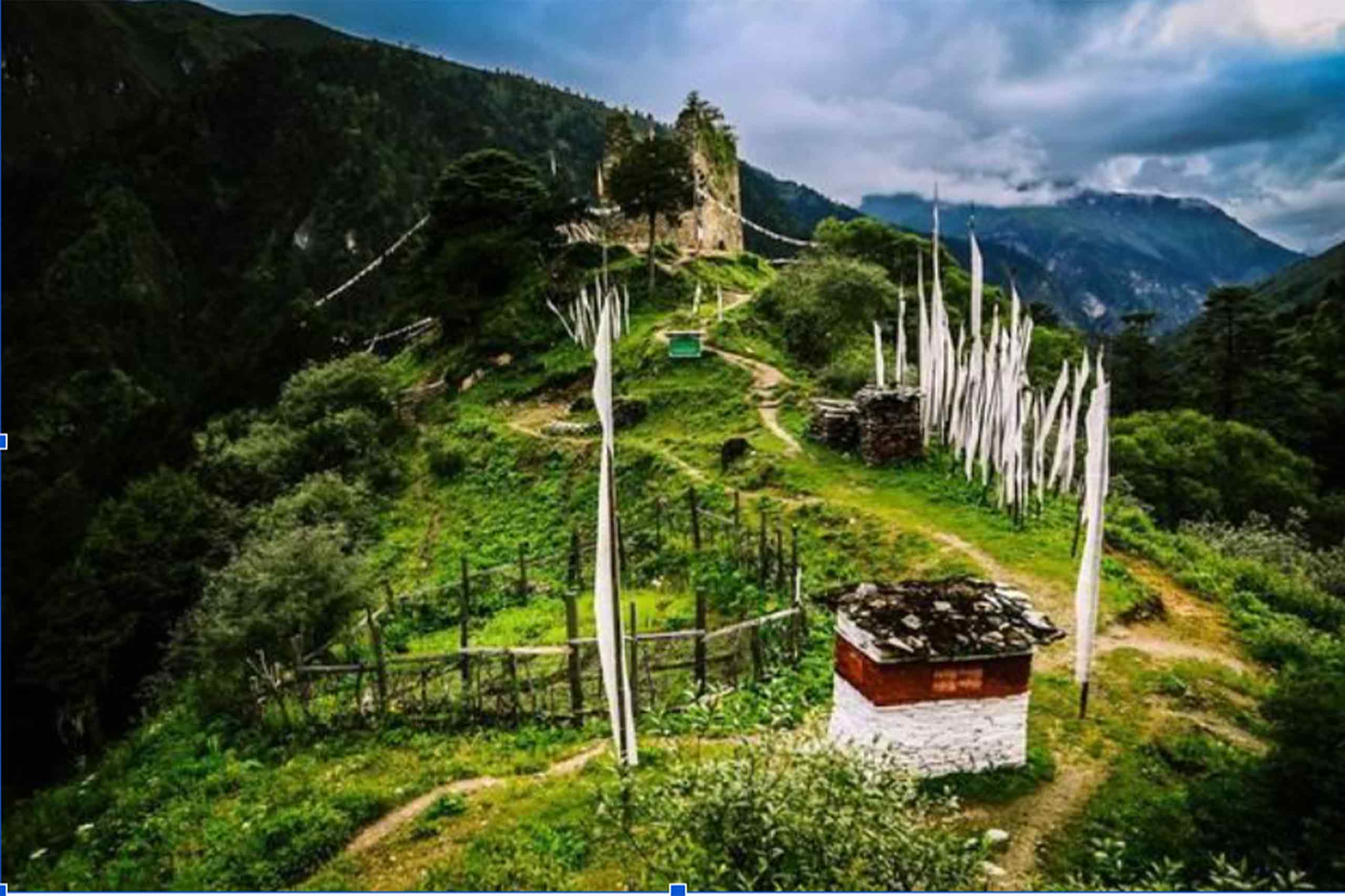
Efforts were made by the kingdom and international partners to effectively rebirth an old way of living. The Trans Bhutan Trail exists as a walking route stretching from the far-west of Bhutan to the less visited far-east, allowing a path that connects the country to itself. Known to exist as far back as the 16th century, the trail was the country’s main means of access to its various dzongkhags, dzongs, monasteries, and people. Famously, the path is still remembered in its use by Garps. They were essentially messengers, flying across the country in bare feet or rudimentary sandals, informing those in need, seemingly with no want for rest. Unfortunately, with roads and highways built, the trail was abandoned and left for ruin. Until, in 2018, His Majesty Jigme Khesar Namgyel Wangchuk, the Fifth King, sought for the trial’s reemergence. In collaboration with the Bhutan Canada Foundation, the Tourism Council of Bhutan (now the Department of Tourism), and hundreds of workers, the country can now walk this new, yet old, trail. Walk, run, bike, or rest across the 403km (250 mile) Trans Bhutan Trail, stopping, if you wish, or beginning at any part of this historic path. Traverse through 9 Dzongkhags, including Haa at the western border, and Trashigang in the east. Visit or admire the numerous Gewogs (towns and villages), dzongs, temples, bridges, monuments, and mountain passes. Challenge yourself, or simply enjoy.
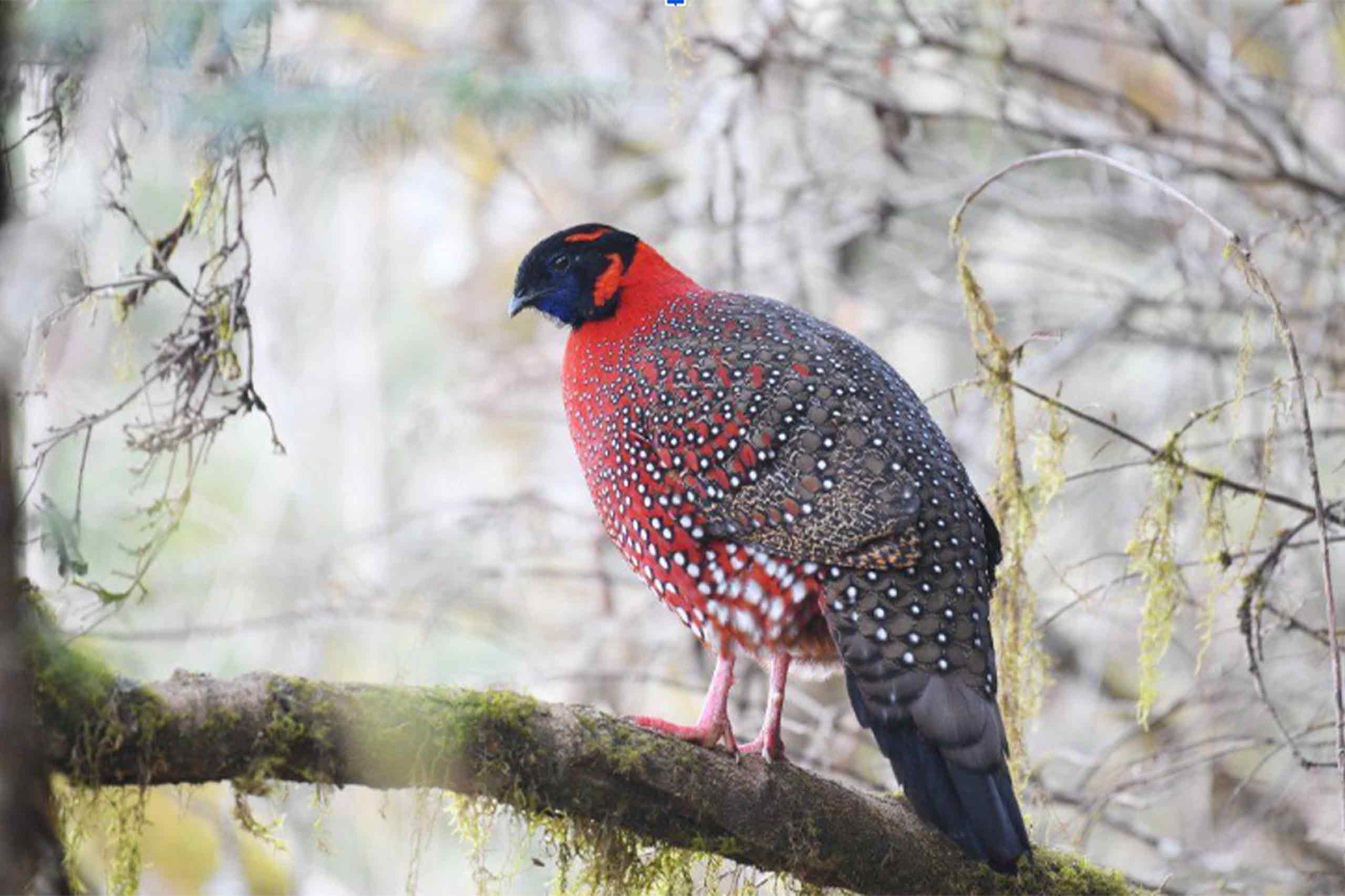
4. Sengor-Yongkola, Mongar Dzongkhag; “the birding capital of the world”
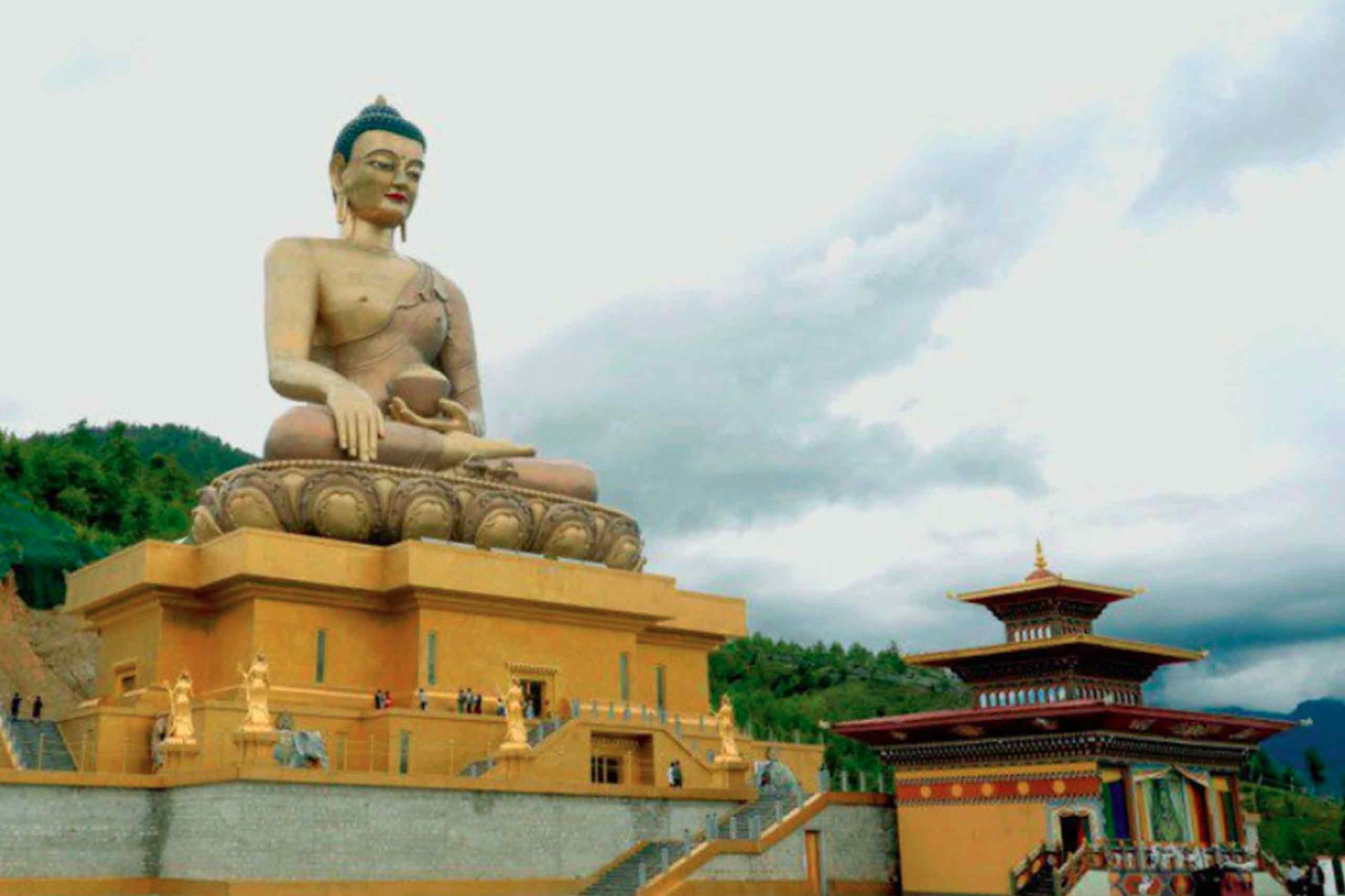
5. Buddha Dordenma (Buddha point) statue
6. Mebar Tsho, the Burning Lake
7. Sakteng Wildlife Sanctuary
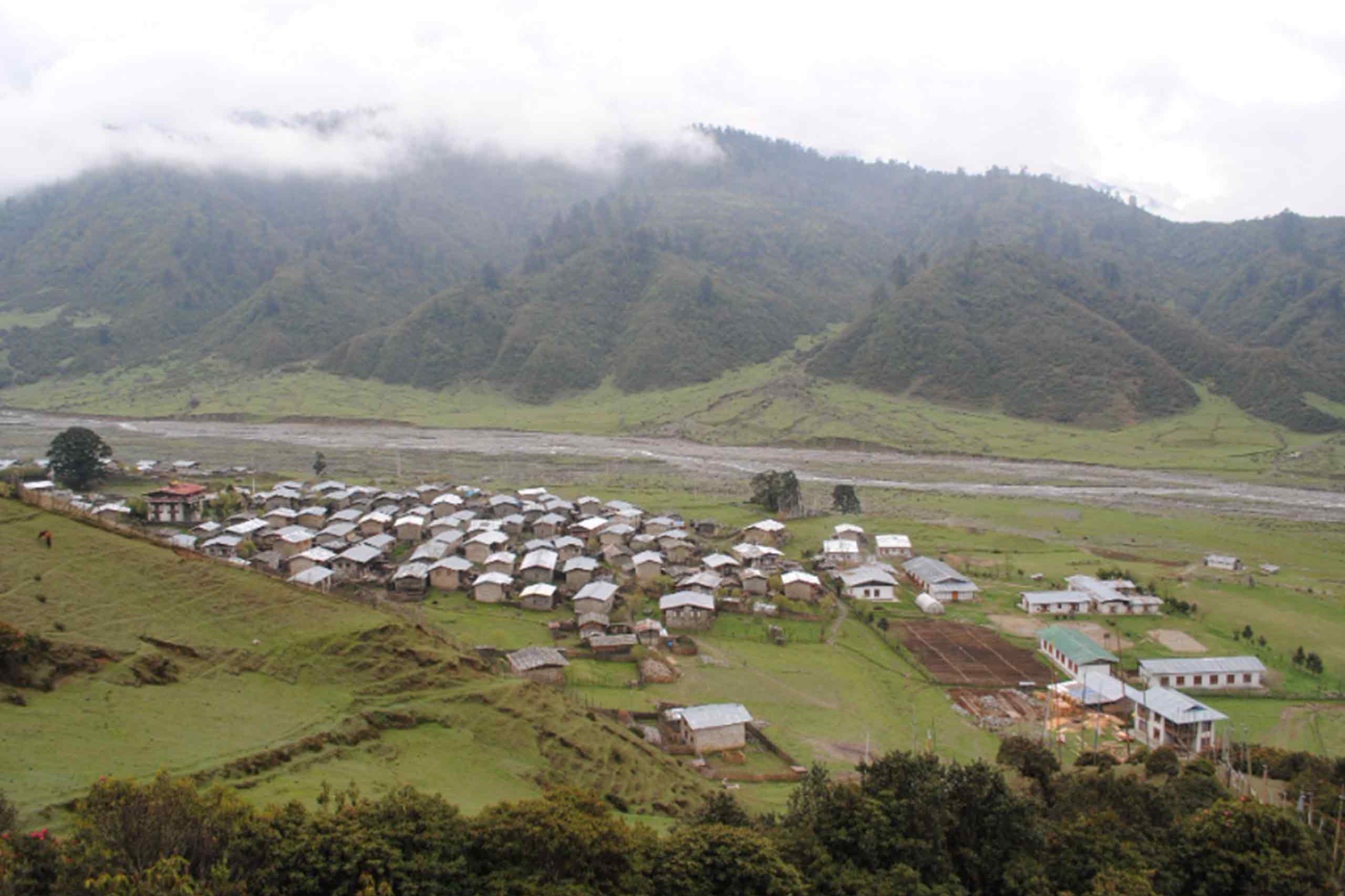
When looking at a map of Bhutan, one may notice that large parts of it consist of national parks, nature reserves, and wildlife sanctuaries. These can be seen to stem from Bhutan’s constitutional promise of maintaining 60% of forested cover, and from its cultural and religious values. Here the single Sakteng Wildlife Sanctuary is put forth, the reason stated below.
Registered by both the WWF and UNESCO, the Sakteng Wildlife Sanctuary houses various endemic and endangered species of flora and fauna, while also housing the Brokpa culture of the Merak and Sakteng villages.
Rare and beautiful animals such as the snow leopard and the red panda are found in the area, while 35 species of rhododendron (rendering the area to be dubbed the “Paradise of Rhododendrons”) and the national flower, the Blue Poppy, are also found. Beyond its rich biodiversity, a unique culture, solidifying Bhutan status as such, is seen through the semi-nomadic Brokpa people.
Interestingly, the sanctuary, located in the far-east of Bhutan, was reportedly also built to protect the migoi (a Bhutanese version of the yeti), and their smaller counterpart the michum. Both believed to exist by certain local communities, with a supposed michum corpse being preserved within a monastery in Phobjikha valley.
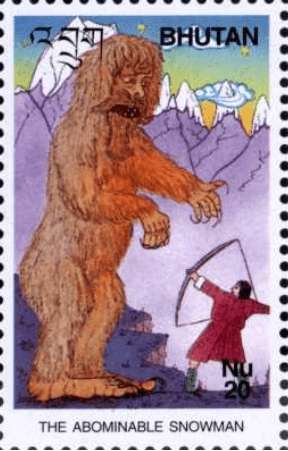
So, through this online exploration of seven of Bhutan’s wonders, you may see yourself climbing hills to visit Buddhist monuments, walking through the country in old footsteps, sighting animals and plants the world deems rare, or even coming across beings once thought mythical. Understand that if you respect this land and all that exists within it, you are welcome to look over a lifestyle most wondrous.